August Beauty Gardenia Buying Guide: Container Sizes Explained
When you set out to buy August Beauty Gardenia, container size is one of the biggest decisions you'll make. Most home gardeners start with a nursery plant rather than seeds, so understanding what you're looking at when you walk into a garden center matters. A quart-sized plant behaves differently than a #1 container, and a #3 container is a different commitment altogether. This guide walks you through what matters, what to look for, and how to pick the right size for your space and budget.
What to Look For When Buying August Beauty Gardenia
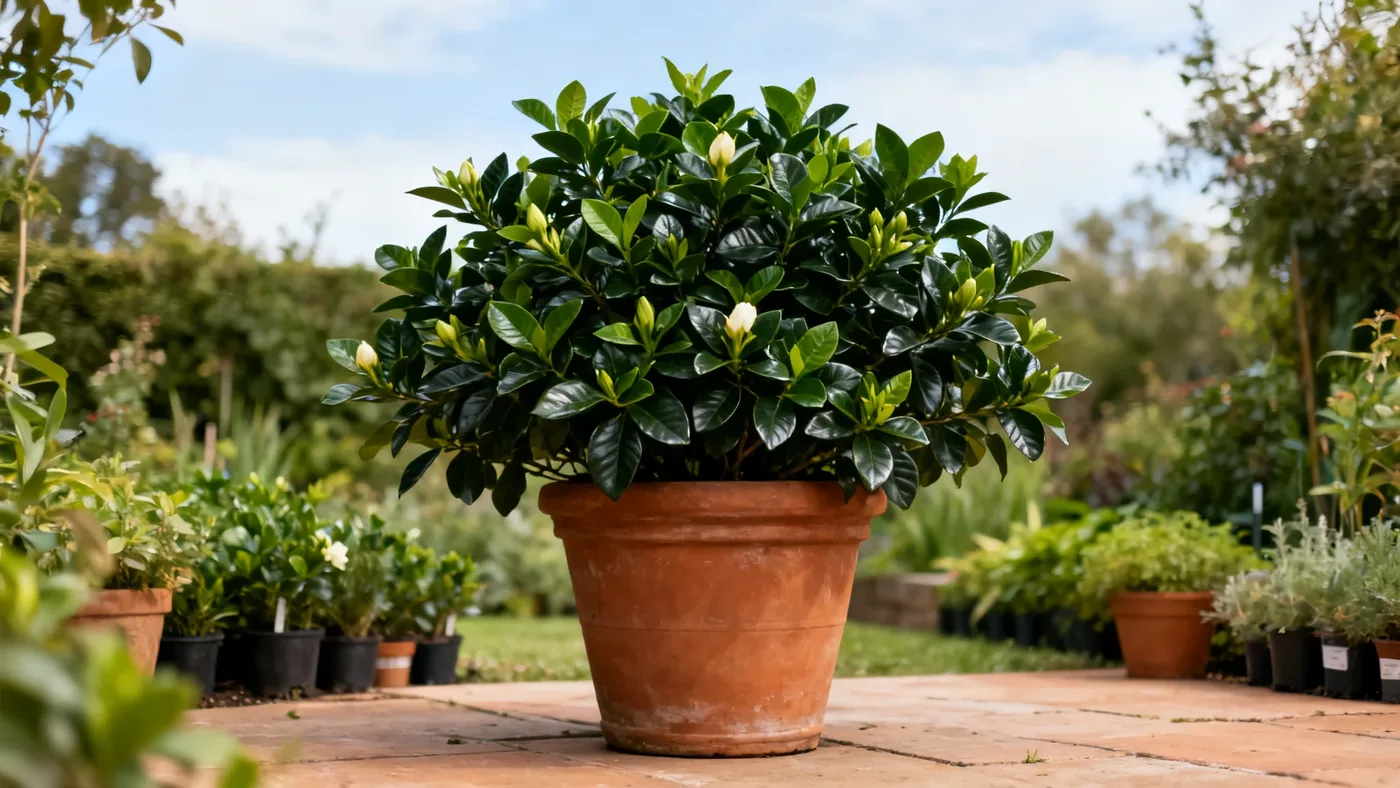
Before you focus on size, look at plant health. A quality August Beauty Gardenia has glossy, dark green foliage with no yellow patches, soft spots, or visible pest damage. Inspect the undersides of leaves for spider mites or scale insects, which hide there. The stems should feel firm, not mushy. Gently tip the container to feel the soil: it should be moist but not waterlogged. Gardenias hate both drought and soggy roots, so suppliers who let plants dry out or oversaturate are skipping a critical step.
Healthy plants have tight, developed root systems. Ask the nursery staff if the plant has been recently potted or if it's been settling in its current container. A plant that's been in the same pot for 6 months has time to develop roots; one potted yesterday is still in shock. While you can't open the pot to inspect the roots, a heavy plant relative to its container size signals a well-rooted specimen.
Look at the buds and new growth. August Beauty Gardenia typically blooms from late spring through summer, with the heaviest flush in late spring and early summer. If you're buying during late summer or fall, look for flower buds forming, which signals the plant was grown under good light and temperature conditions. Soft, vigorous new growth at the tips of branches is a green flag across all seasons.
Container Sizes Explained: Quart, #1, and #3
Nursery-grown August Beauty Gardenias typically come in three standard sizes: quart containers, #1 containers, and #3 containers. Each serves different goals and timelines.
Quart Containers: Quick Starts and Budget Options
A quart-sized August Beauty Gardenia is small, usually 6 to 12 inches tall. It's the most affordable option when you buy August Beauty Gardenia. These plants are 1 to 2 years old and already capable of blooming within their first season of planting. If you're working with a tight budget or want to try gardenias before committing to a larger specimen, this size works. The trade-off: quart plants need careful attention to watering and will take 3 to 4 years to reach mature size (4 to 6 feet tall and wide). They're slower, smaller, and need more fussing in their first year.
#1 Containers: The Sweet Spot for Most Gardeners
A #1 container holds about 1 gallon and produces a plant roughly 12 to 18 inches tall. This is the most popular size for consumers shopping for August Beauty Gardenia for sale at local nurseries. You get a plant with a more developed root system than a quart, more leaf mass, and often visible buds or flowers already forming. #1 plants can bloom their first year after planting and reach mature size in 4 to 5 years with moderate growth of 6 to 12 inches annually. The price sits between a quart and a #3, making it accessible without feeling like you're buying a commitment you're unsure about.
#3 Containers: Instant Impact and Mature Size
A #3 container is 3 gallons, holding a plant typically 18 to 24 inches tall with fuller branching and an established root system. These August Beauty Gardenia container sizes are the premium option. You're paying more, but you're skipping years of waiting. A #3 plant can reach full mature height (4 to 6 feet) in 3 to 4 years. If you want an immediate focal point or plan to use gardenias in a hedge, #3 plants let you see the final outcome sooner. They're less shock-sensitive after transplanting and more forgiving in their first season because they have deeper roots to draw moisture from.
Key Features to Compare When Choosing Where to Buy August Beauty Gardenia
Beyond the container size itself, look at cultivar selection. August Beauty Gardenia is the standard, but some nurseries also stock related options. 'Radicans' is a dwarf, spreading cultivar that stays smaller. 'Frost Proof' and 'Kleim's Hardy' are hardier selections suited to zone 7b and the lower end of the planting range; standard August Beauty thrives in zones 7b through 10, though zone 7b is borderline and needs winter protection. 'Mystery' produces larger flowers than August Beauty. If your region is marginal for hardiness or you have specific space constraints, ask about these alternatives.
Ask about the soil mix and pH. August Beauty Gardenia needs acidic soil (roughly 5.0 to 6.5 pH) and rich potting mix with good organic matter. A reputable nursery grows gardenias in acid-loving plant mixes. If you get a plant in standard potting soil or ask the staff and they're unsure about the mix, that's a red flag. The wrong soil pH leads to yellowing leaves and poor bloom performance, and you'll spend months correcting it after you get home.
Check the drainage holes in the container and whether the drainage is working. Water a few inches at the base and watch where it exits. If drainage is blocked or slow, the plant is at risk for root rot.
Selecting by Price Point and Size Tiers
Budget tier (Under $30): Quart containers and small #1 plants. These are genuinely good if you're patient. You'll spend less upfront but more time waiting for the plant to mature. Ideal for experimental gardeners or those with small spaces.
Mid-range tier ($30 to $60): Standard #1 containers and large #1 plants. This is where most gardeners land. You get a healthy, blooming-ready plant without premium pricing. The best value for first-time growers buying August Beauty Gardenia.
Premium tier ($60+): #3 containers and specimen plants. These plants are mature or near-mature. If you have a specific design in mind (a hedge, a focal point, instant screening), the premium covers the time and resources a nursery invested in growing a larger plant.
Red Flags to Avoid
Don't buy a plant with yellowing leaves unless the nursery clearly states it was just repotted. Chlorosis (yellowing in the leaf's center while veins stay green) signals pH issues, nutrient deficiency, or iron lockup; it takes weeks to fix and suggests the plant wasn't cared for properly. Uniformly yellow or pale leaves often mean poor light or overwatering.
Skip plants with soft, mushy stems or a sour soil smell. These have root rot, and recovery is difficult even for experienced growers.
Avoid dry soil that doesn't rehydrate easily. Bone-dry gardenias wilt visibly and often drop buds and leaves. Recovery is slow, and you lose blooms that first season.
Don't buy a plant with insects visible on the foliage or an oily, sticky residue on the leaves (sooty mold, which follows pest infestations). Pest management takes time and care, and transporting infested plants risks spreading problems to your home garden.
Watch for multiple plants crammed into one pot. Overcrowding masks weak root systems and stunts growth once you plant them.
Where to Buy August Beauty Gardenia for Sale
Local garden centers and nurseries are your best bet when buying August Beauty Gardenia. Staff can answer questions about the soil mix, growing conditions at that nursery, and hardiness in your zone. You can inspect the plant in person and avoid shipping shock. Local nurseries often specialize in plants suited to your region and grow stock accordingly.
Regional specialty nurseries that focus on shade-tolerant shrubs, acid-loving plants, or Southern ornamentals often carry high-quality gardenias. Their plants are grown to thrive in similar climates to yours.
Some online retailers ship container plants, though shipping larger sizes (#3 and up) becomes expensive. If you order online, choose a nursery with a reputation for careful packing and a guarantee policy. Request shipping in spring or fall to avoid heat stress.
Big-box garden centers stock gardenias seasonally. Quality varies widely. These retailers often compete on price, so plants may be well-cared-for bargains or struggling inventory being cleared at a discount. Inspect closely before committing.
For hardier cultivars like 'Frost Proof' or 'Kleim's Hardy,' cold-hardy plant specialists are your best source. Check their hardiness claims against zone maps for your area to confirm they're appropriate for your region if you're gardening in zone 7b.
Matching Container Size to Your Growing Zone
Your USDA hardiness zone influences how quickly a plant matures and how much protection it needs. August Beauty Gardenia thrives in zones 8 through 10. In zone 7b, which is borderline, winter protection becomes critical. Some sources consider zone 7b workable with winter care; others recommend zone 8 as the safe minimum. Larger plants have more established root systems and winter hardiness than small quart specimens, so if you garden in zone 7b, a #1 or #3 is a safer choice than a quart.
If you're unsure about your zone or how harsh your winters are, check your local extension service or the hardiness map. Then ask your nursery whether their August Beauty Gardenia stock is appropriate for your climate. A quality supplier will be honest about cold hardiness.
Plant Hardiness and Long-Term Value
August Beauty Gardenia lives 30 to 50 years or more with proper care. That lifespan makes the upfront cost of a larger container a minor factor over decades. A #3 plant costs more now but reaches full size faster and requires less year-to-year maintenance as it establishes. A quart plant is cheaper upfront but demands careful attention for years before it becomes a substantial landscape feature. For a permanent fixture you plan to enjoy for decades, the larger size often delivers better long-term value.
Final Thoughts on Container Size and Your Needs
Start by clarifying your goals. Are you testing whether gardenias work in your garden, or are you designing a specific landscape feature? Do you need the plant now, or can you wait while it grows? How much maintenance time can you invest in the first year? Answers to these questions guide the right container size when you buy August Beauty Gardenia.
For comprehensive care once you get your plant home, refer to our August Beauty Gardenia care guide for watering, fertilizing, and pruning. If hardiness is a concern, check which zones support August Beauty Gardenia and whether winter protection applies to your area.
Quick Reference: What to Evaluate Before You Buy
| Container Size | Typical Height | Price Range | Time to Mature Size | Best For |
|---|---|---|---|---|
| Quart | 6 to 12 inches | Under $30 | 3 to 4 years | Budget buyers, small spaces, experimentation |
| #1 (1 gallon) | 12 to 18 inches | $30 to $60 | 4 to 5 years | First-time growers, standard hedges, focal points |
| #3 (3 gallon) | 18 to 24 inches | $60+ | 3 to 4 years | Instant impact, large hedges, premium landscapes |
Healthy Plant Checklist
- Glossy, dark green leaves with no yellowing, spotting, or pest damage
- Firm stems (not mushy or soft)
- Moist (but not waterlogged) soil
- Heavy root system relative to container size
- Visible flower buds or vigorous new growth
- Acidic potting mix (ask the nursery about pH)
- Functional drainage holes with water flowing freely
- No visible insects or sooty mold residue