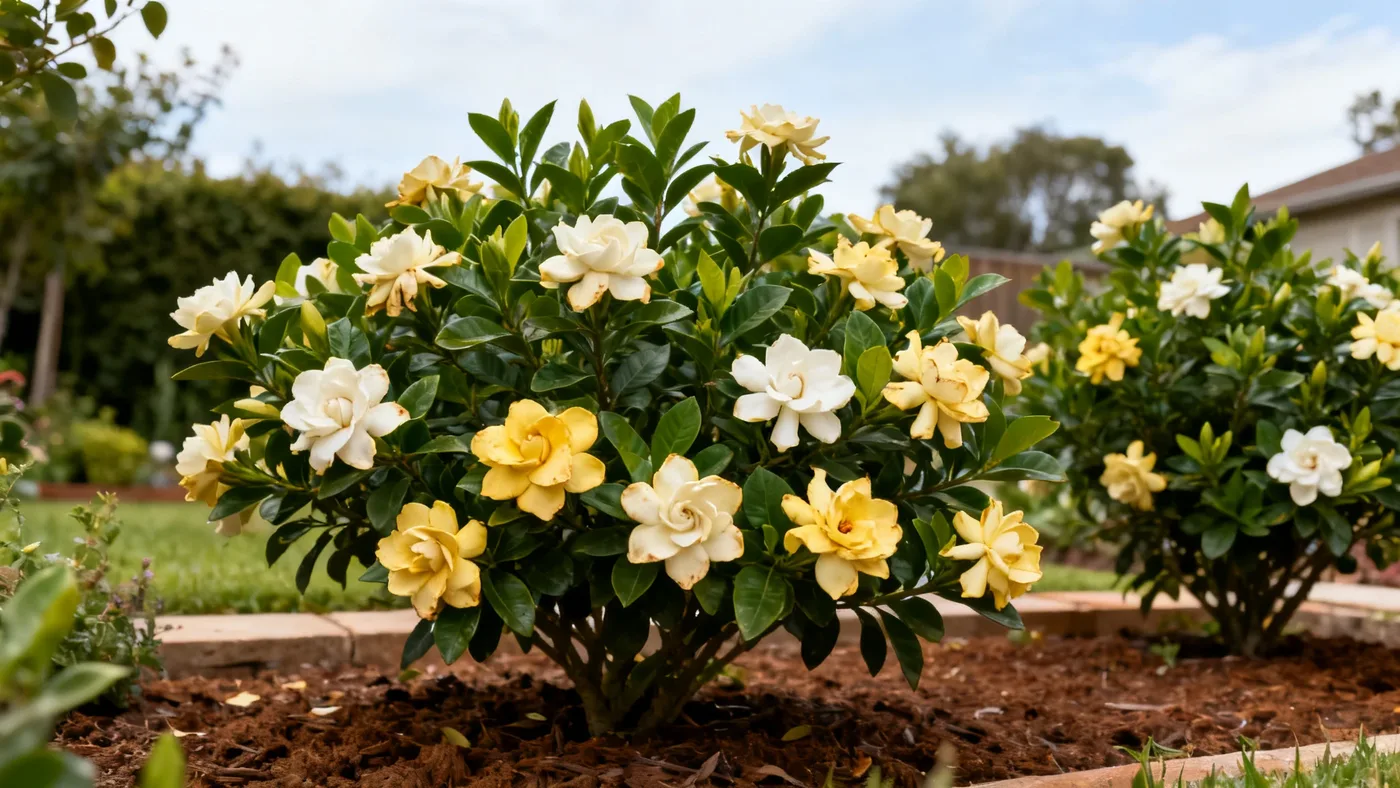
Why Is My August Beauty Gardenia Not Blooming or Turning Yellow?
A healthy August Beauty Gardenia should produce creamy white, fragrant blooms from late spring through summer, with the heaviest flush in late spring and early summer. When your gardenia stops blooming or leaves start yellowing, the culprit is usually one of a few specific stress factors. Unlike many ornamental shrubs, August Beauty is particular about watering, soil chemistry, and pruning timing. The good news: most problems are reversible once you pinpoint the cause.
Materials and Tools You'll Need
- Soil moisture meter or your finger for probing
- Soil pH test kit (optional but helpful for diagnosis)
- Iron chelate fertilizer (if chlorosis is present)
- Azalea or camellia type acidic fertilizer
- Pruning shears or hand pruners
- Newspaper or drop cloth for working near the shrub
Common Reasons Your Gardenia Won't Bloom
Bud drop is the most common bloom failure in August Beauty Gardenia. The plant sets flower buds, then drops them before opening. Temperature swings, inconsistent watering, and low humidity are the primary triggers. If your gardenia bloomed in prior years but stopped, one of these factors has likely changed.
Temperature Swings and Late Pruning
August Beauty Gardenia forms its flower buds in late summer and fall for the following spring bloom. If you prune your gardenia in late summer or fall, you are removing next year's flower buds. This is the most preventable cause of failure to bloom. Prune lightly right after flowering ends (typically mid to late summer), never in late August onward.
Temperature swings above and below 60 degrees Fahrenheit during bud formation also trigger drop. Gardenias in USDA zones 7b and 8 are more susceptible, especially if they experience unexpected cold snaps after a warm spell.
Underwatering and Low Humidity
August Beauty Gardenia does not tolerate prolonged drought. If soil dries out during spring or early summer when buds are developing, the plant will shed them to conserve resources. Humidity below 50 percent, especially in hot regions, also stresses buds. Indoor gardenias in heated homes often drop buds for this reason.
Excess Nitrogen
Fertilizers high in nitrogen (the first number in the N-P-K ratio) promote leafy growth at the expense of flowers. If you are fertilizing frequently with a general all-purpose fertilizer, switch to an acidic plant type formulated for azaleas or camellias. These contain more balanced nutrient ratios that support blooming.
Why Gardenia Leaves Turn Yellow
Yellowing foliage signals either a nutrient problem (usually iron deficiency) or a watering and drainage issue. August Beauty Gardenia prefers rich, well-drained, acidic soil with a pH between 5.0 and 6.5. Soil that is too alkaline, waterlogged, or depleted of iron triggers chlorosis, a condition where leaf veins remain green but the tissue between them turns pale or yellow.
High Soil pH (Alkaline Soil)
If your soil pH is above 6.5, the plant cannot absorb iron even if it is present in the soil. This is the most common cause of chlorosis in gardenias planted in neutral or slightly alkaline regions. Tap water in some areas is also alkaline, worsening the problem over time.
Poor Drainage or Waterlogging
August Beauty Gardenia does not tolerate waterlogged soil. Roots need oxygen, and waterlogged soil suffocates them, leading to root rot. Initial symptoms are yellowing leaves and wilting despite wet soil. If the problem persists, foliage drops and the plant declines rapidly.
Iron Deficiency
Even in acidic soil, iron can become depleted after several years of growth, especially in sandy soils or in containers. Younger leaves turn yellow first, with older foliage remaining greener for a time.
Step-by-Step Troubleshooting and Fixes
Step 1: Check Soil Moisture
Insert a moisture meter 2 to 3 inches into the soil, or push your finger into the top inch. August Beauty Gardenia likes consistently moist soil, not soggy. The soil should feel like a wrung-out sponge.
If soil is dry: Water deeply until water runs from drainage holes. Water early morning to reduce disease risk. In heat or low humidity, water more frequently, even daily during bloom season. In cooler months, reduce frequency but never let soil dry completely.
If soil is wet or soggy: Stop watering and allow 2 to 3 days to pass. If soil remains waterlogged, repot into fresh, well-drained acidic potting mix or amend planting area with peat moss and perlite to improve drainage. Check that your pot or planting area has drainage holes and that water can escape freely.
Step 2: Test Soil pH (Optional but Recommended)
Use a home soil pH kit or send a small sample to your local extension service. August Beauty Gardenia needs acidic soil, ideally 5.0 to 6.5. If your pH reads above 7.0, your soil is alkaline and is likely causing chlorosis.
To lower soil pH: Apply sulfur or aluminum sulfate according to product label rates. Work it into the top few inches of soil in spring. pH changes take several weeks to months. Do not apply sulfur if you have recently applied lime.
For container plants: Repot into fresh, acidic potting mix designed for azaleas or camellias. This is the quickest fix and ensures the right chemistry from the start.
Step 3: Examine Leaves and Stems for Pests and Disease
Look closely at the undersides of leaves. August Beauty Gardenia is susceptible to aphids, whiteflies, scale insects, mealybugs, and spider mites. These pests suck sap from foliage, weakening the plant and causing yellowing, wilting, and bud drop.
If you see pests: Spray the plant thoroughly with insecticidal soap or horticultural oil, coating both sides of leaves and stems. Repeat every 7 to 10 days for 2 to 3 weeks. Severe infestations may require neem oil or a broader-spectrum insecticide. Always follow product directions and spray in early morning or late evening when beneficial insects are less active.
Look for sooty mold: A black, powdery coating on leaves often signals pest activity. The mold feeds on insect honeydew. Treat the pests first; the mold will fade as pest numbers drop.
Step 4: Review Your Pruning and Fertilizing History
Did you prune your gardenia in late August, September, or later? If yes, you likely removed flower buds. Plan to prune only right after flowering ends (typically mid to late summer) and not again until the following year after bloom.
Are you fertilizing monthly or using a high-nitrogen all-purpose fertilizer? Switch to an azalea or camellia type acidic fertilizer. Apply in early spring and again after the first flush of blooms in early summer. Do not fertilize after midsummer, as this can trigger tender new growth vulnerable to winter cold.
Step 5: Treat Iron Deficiency (Chlorosis)
If leaves show yellowing with green veins and soil pH is in the correct range (5.0 to 6.5), iron deficiency is likely the cause.
Apply iron chelate: Use an iron chelate fertilizer or chelated micronutrient spray formulated for broadleaf plants. Follow label rates and frequency. Some products are applied to soil; others are sprayed on foliage. Results typically appear within 2 to 4 weeks as new growth emerges greener.
Repeat annually if needed: Sandy soils and container plants may need iron supplementation every 1 to 2 years. Add it to your spring fertilizing routine.
Step 6: Improve Growing Conditions Long-Term
Once you have addressed the immediate problem, adjust care to prevent recurrence. August Beauty Gardenia thrives in full sun to part shade. In hot southern climates, morning sun with afternoon shade is ideal, as scorching sun combined with dry soil intensifies stress. Ensure the plant receives at least 4 to 6 hours of direct sun daily for best blooming.
Mulch around the base with 2 to 3 inches of pine bark, peat moss, or compost to retain soil moisture and keep roots cool. Keep mulch a few inches away from the stem to prevent rot.
Expected Results and Timeline
If you have corrected watering and soil conditions, your gardenia should show recovery within 2 to 3 weeks. New growth will emerge fresher and greener. Chlorosis (yellowing) caused by iron deficiency typically improves within 4 weeks of treatment.
Bloom recovery depends on what was causing bud drop. If it was underwatering or humidity, blooming may resume within the same season if time permits. If it was late pruning, expect blooms to return the following spring after you have pruned correctly. Temperature stress usually resolves on its own; protect the plant from future cold snaps with mulch or frost cloth if you live in a marginal zone (7b).
Do not expect perfection after one season. August Beauty Gardenia is a long-lived shrub that reaches its full 4 to 6 foot mature size over 5 to 7 years. With consistent proper care, it will reward you with decades of fragrant blooms.
Common Mistakes to Avoid
- Pruning after mid-summer: You will remove next year's flower buds. Prune only after spring/early summer blooming ends.
- Using general-purpose fertilizer: Switch to an acidic plant formula (azalea/camellia type) to support blooming and prevent excess nitrogen buildup.
- Letting soil dry out during growing season: August Beauty does not recover quickly from drought. Consistent moisture is essential for blooming.
- Planting in alkaline soil without amendment: If your soil is neutral to alkaline and you don't plan to amend it, your plant will struggle. Test pH before planting and adjust if needed.
- Ignoring pest infestations: Small populations of mites or scale insects escalate quickly. Inspect regularly and treat early.
- Overwatering in cool weather: In fall and winter, reduce watering frequency. Soil should dry slightly between waterings, though it should never become bone-dry.
When to Seek Help
If your plant shows signs of severe root rot (mushy stems, foul-smelling soil, sudden leaf drop despite wet soil), root damage may be permanent. You may need to repot or replant in fresh soil. If pest infestations persist despite multiple treatments, consult your local extension service, which can recommend appropriate controls for your region.
For more comprehensive care guidance, see our full August Beauty Gardenia care guide.
Quick Reference Checklist
| Problem | Likely Cause | Quick Fix | Timeline |
|---|---|---|---|
| No blooms, bud drop | Late pruning or underwatering | Prune only after summer bloom; water consistently | Next season if caused by pruning |
| Yellow leaves with green veins | High soil pH or iron deficiency | Test pH; apply iron chelate if needed | 2-4 weeks |
| Yellowing across the leaf | Poor drainage or root rot | Repot into well-drained soil; reduce watering | 3-4 weeks |
| Weak growth, few buds | Excess nitrogen or poor light | Use azalea fertilizer; ensure 4-6 hours sun | Next growing season |
| Wilting despite wet soil | Root rot | Repot immediately into fresh, dry soil | 2-4 weeks if caught early |
| Spotted or stippled leaves | Pests (spider mites, scale, whitefly) | Spray with insecticidal soap; repeat weekly | 2-3 weeks |
Soil pH target: 5.0 to 6.5 (acidic)
Watering schedule: Consistently moist like a wrung-out sponge; never waterlogged or bone-dry
Pruning window: Right after spring/summer bloom ends only
Fertilizing schedule: Early spring and after first bloom flush with acidic-plant formula
Mature size: 4 to 6 feet tall and wide
Full sun requirement: 4 to 6 hours direct sun daily; part shade acceptable in hot climates