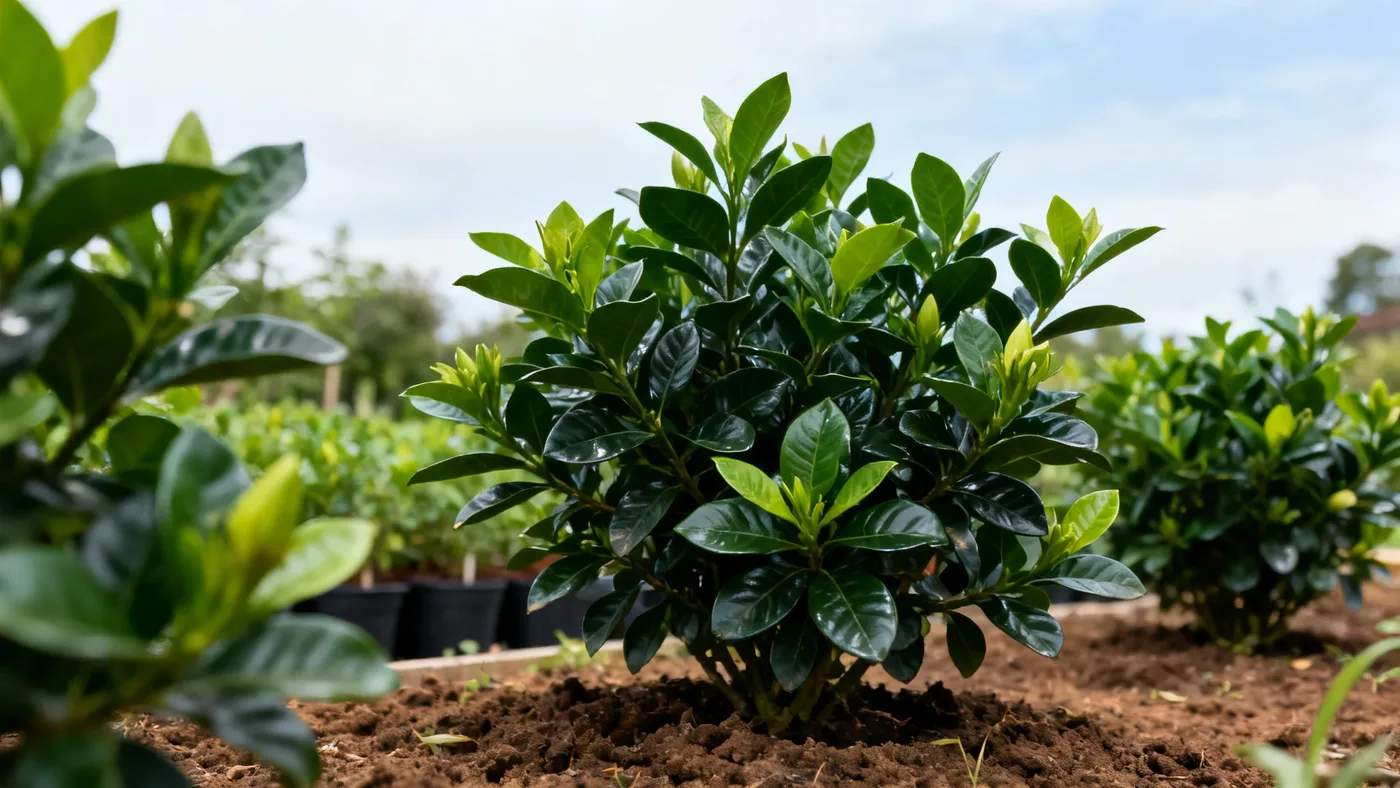
August Beauty Gardenia Care Guide: Everything You Need to Know
Key Takeaways
- August Beauty Gardenia thrives in zones 7b-10 with winter protection in zone 7b
- Plant in acidic soil (pH 5.0-6.5) rich in organic matter, in full sun to part shade
- Water consistently; aim for moist (not waterlogged) soil throughout the growing season
- Fertilize with acid-loving plant fertilizer in early spring and after the first bloom flush
- Prune immediately after flowering; avoid late-summer pruning that removes next year's buds
- Strong fragrance and glossy foliage make this shrub ideal for foundation plantings and patios
Table of Contents
- What Is August Beauty Gardenia
- Planting Requirements and Site Selection
- Watering and Drainage Essentials
- Soil Preparation and Fertilizing
- Pruning and Seasonal Care
- Common Problems and Solutions
- Hardiness and Regional Considerations
- Quick Reference Checklist
What Is August Beauty Gardenia
August Beauty Gardenia (Gardenia jasminoides 'August Beauty') is a broadleaf evergreen shrub prized for its intensely fragrant, creamy white flowers and glossy, leathery dark green foliage. Unlike many gardenia cultivars that bloom primarily in spring, August Beauty produces its heaviest flush of blooms in late spring and early summer, with reliable repeat flowering into fall depending on your climate.
This cultivar reaches a mature height and width of 4 to 6 feet, making it an ideal choice for foundation plantings, low hedges, specimen placement near patios or windows, and even container growing. The strong, classic sweet gardenia fragrance is one of the plant's defining characteristics, drawing bees and moths to the garden.
With a moderate growth rate of roughly 6 to 12 inches per year, August Beauty Gardenia typically blooms within 1 to 2 years from a container plant and reaches full mature size in about 5 to 7 years. With proper care, this shrub can live 30 to 50+ years, making it a long-term investment in your landscape.
Planting Requirements and Site Selection
Choosing the Right Location
August Beauty Gardenia performs best in full sun to part shade. However, in hot southern climates, morning sun with afternoon shade is ideal to prevent leaf scorch and heat stress during peak summer temperatures. If you live in a region where summer temperatures regularly exceed 90 degrees, providing afternoon shade protection will help preserve foliage quality and reduce water stress.
When to Plant
Plant August Beauty Gardenia in early spring or fall, avoiding extreme summer heat or hard freeze windows. Spring planting gives the shrub the entire growing season to establish roots before winter. Fall planting works well in regions with mild winters, allowing roots to settle before spring growth begins.
Spacing
Space plants 3 to 5 feet apart if you intend to create a hedge or screen. For specimen plantings where the shrub will grow as a standalone focal point, allow 4 to 6 feet of space on all sides for mature spread. Proper spacing ensures good air circulation, which reduces disease pressure and makes maintenance easier.
Container Growing
August Beauty Gardenia is well-suited to container planting on porches, patios, or in small gardens. Use a well-drained acidic potting mix, and plan to fertilize regularly throughout the growing season. Container plants in marginal zones will need winter protection indoors or in a sheltered location.
Watering and Drainage Essentials
Consistent moisture is critical for August Beauty Gardenia success. This shrub requires moderate to consistently moist soil and does not tolerate prolonged drought or waterlogged soil. The goal is to maintain steady moisture without allowing water to pool around the roots.
Watering Schedule
During the growing season (spring through summer), water deeply once or twice per week, depending on rainfall and temperatures. In hotter regions or during dry spells, you may need to water more frequently. Check soil moisture 2 inches below the surface; if it feels dry, water thoroughly until water drains from the bottom of the pot (for container plants) or until the soil is moistened to 6 inches deep (in-ground).
In fall and winter, reduce watering frequency as the plant's growth slows. However, never allow the soil to dry out completely, as this stress can trigger bud drop.
Drainage Requirements
Poor drainage is a common cause of root rot and plant decline. Amend heavy clay soils with 2 to 3 inches of compost or peat moss to improve drainage and add organic matter. If you are planting in a location with naturally poor drainage (such as a low spot in your yard), consider creating a raised bed or mounding soil around the planting hole to ensure water does not collect.
Soil Preparation and Fertilizing
Soil Requirements
August Beauty Gardenia demands rich, well-drained soil high in organic matter. The ideal soil pH is acidic, roughly 5.0 to 6.5. Acidic conditions allow the plant to absorb essential nutrients, particularly iron, which prevents yellowing (chlorosis) of the foliage.
At planting time, work 3 to 4 inches of compost, aged bark, or peat moss into the top 12 inches of soil. This amendment improves drainage, increases water-holding capacity, and creates a favorable environment for root establishment.
Fertilizing Schedule
Feed August Beauty Gardenia with an acid-loving plant fertilizer (the type formulated for azaleas or camellias) in early spring as new growth begins. Apply the fertilizer according to package directions, and water thoroughly after application.
After the first bloom flush finishes (typically mid to late summer), apply fertilizer again to support a second round of flowering. Avoid fertilizing in late fall and winter, as this encourages tender new growth vulnerable to cold damage.
Treating Chlorosis (Yellowing Leaves)
If leaves yellow with green veins, the plant may have iron deficiency (chlorosis), often caused by high soil pH or poor drainage. Apply iron chelate or chelated micronutrients according to product instructions. Check your soil pH; if it is above 6.5, acidify it with sulfur or by adding more peat moss-based amendments.
Pruning and Seasonal Care
Timing Is Critical
Prune August Beauty Gardenia lightly right after flowering to shape the shrub and remove spent blooms and any dead or diseased wood. This timing is crucial because the plant sets flower buds for next year's bloom in late summer and early fall. Pruning after this period removes next year's flowers and will leave you with a lush green shrub but few blooms.
Pruning Technique
Use sharp, clean pruning shears to make cuts just above a healthy leaf node. Remove no more than one-third of the shrub's total stem length in a single season. Light shaping is preferable to heavy cutting, which can stress the plant and reduce flowering.
Deadheading and Maintenance
Throughout the bloom season, remove spent flowers and any yellowing or damaged leaves. This maintenance keeps the shrub tidy and encourages continued flowering.
Common Problems and Solutions
Bud Drop
Bud drop is the most common complaint among gardenia growers. Causes include temperature swings (particularly sudden cold snaps), underwatering, low humidity, and stress from transplanting. Maintain consistent soil moisture, provide afternoon shade in hot climates, and avoid exposing young plants to sudden temperature changes. In zone 7b and marginal areas, winter mulch and shelter help prevent bud drop from late-winter cold snaps.
Yellowing Leaves (Chlorosis)
Yellowing foliage with green veins indicates iron deficiency, commonly caused by soil pH above 6.5 or poor drainage. Apply iron chelate, check soil pH, and amend with peat moss or sulfur to lower pH and improve drainage.
Failure to Bloom
If your August Beauty Gardenia grows vigorously but produces few or no flowers, suspect one of three issues: over-pruning (especially in late summer or fall), excess nitrogen from high-nitrogen fertilizers that promote leaf growth at the expense of flowers, or insufficient light. Ensure the plant receives at least 6 hours of direct sun, avoid high-nitrogen lawn fertilizers, and prune only right after flowering.
Pest Management
Aphids, whiteflies, scale insects, mealybugs, and spider mites may infest August Beauty Gardenia, especially in warm climates. Inspect foliage regularly, particularly the undersides of leaves. For light infestations, spray with a strong stream of water or apply insecticidal soap. In severe cases or for persistent pests, consult your local extension service for treatment options.
Disease Issues
Sooty mold can develop on foliage when honeydew-producing insects (like scale) are present. Treat the insect problem, and the mold will clear naturally. Root rot occurs in waterlogged soil; improve drainage immediately and allow the soil to dry slightly between waterings. Leaf spot fungi are usually cosmetic and rarely require treatment if air circulation is good.
Hardiness and Regional Considerations
August Beauty Gardenia is hardy in USDA zones 7b through 10. Plants in zone 7b are borderline and require winter protection, such as a sheltered location, wind breaks, and heavy mulch (3 to 4 inches of bark or leaves) applied before the first hard freeze. Some years, despite protection, foliage may yellow or drop during harsh winters in zone 7b. If you live in zone 7b and experience frequent hard freezes, growing August Beauty Gardenia in a container that can be moved indoors during winter is a practical option.
In zones 8 to 10, August Beauty Gardenia is reliably hardy and requires no special winter protection. Gardeners in hot, arid regions (zone 10) should provide afternoon shade and extra mulch to conserve soil moisture.
Quick Reference Checklist
| Care Aspect | Guidelines |
|---|---|
| Hardiness Zones | 7b-10 (zone 7b needs winter protection) |
| Mature Size | 4-6 ft tall and wide |
| Growth Rate | 6-12 inches per year |
| Light | Full sun to part shade; morning sun with afternoon shade in hot climates |
| Soil | Rich, well-drained, high in organic matter; pH 5.0-6.5 |
| Water | Moderate to consistently moist; no drought or waterlogging |
| Spacing | 3-5 ft for hedging; 4-6 ft for specimen plantings |
| Planting Time | Early spring or fall |
| Bloom Time | Late spring through summer, with repeat blooms into fall |
| Pruning | Prune right after flowering; avoid late-summer or fall pruning |
| Fertilizing | Acid-loving plant fertilizer in early spring and after first bloom |
| First Bloom | Within 1-2 years from container plant |
| Full Maturity | 5-7 years |
| Lifespan | 30-50+ years |
| Container Growing | Yes, with acidic potting mix and regular feeding |
Pre-Planting Checklist
- Choose a location with full sun to part shade (afternoon shade in hot regions)
- Test soil pH; aim for 5.0-6.5
- Amend planting hole with 3-4 inches of compost, peat moss, or aged bark
- Ensure drainage by mounding soil or creating a raised bed if necessary
- Plant in early spring or fall
First-Year Care Checklist
- Water deeply and consistently; maintain moist (not waterlogged) soil
- Apply 2-3 inches of mulch around the base, keeping mulch 3 inches away from the stem
- Fertilize in early spring with acid-loving plant fertilizer
- Inspect regularly for pests and diseases
- Avoid pruning the first year unless removing dead wood or shaping is necessary
- In zone 7b, apply winter mulch and choose a sheltered location
Annual Maintenance Checklist
- Water during dry spells to maintain consistent soil moisture
- Fertilize in early spring and again after the first bloom flush
- Apply iron chelate if chlorosis (yellowing) appears
- Prune lightly right after flowering
- Remove spent flowers and yellowing leaves throughout the season
- Inspect for aphids, scale, whiteflies, and mealybugs; treat if necessary
- Mulch annually with 2-3 inches of bark to conserve moisture and moderate soil temperature
- In zone 7b, apply winter mulch before the first hard freeze