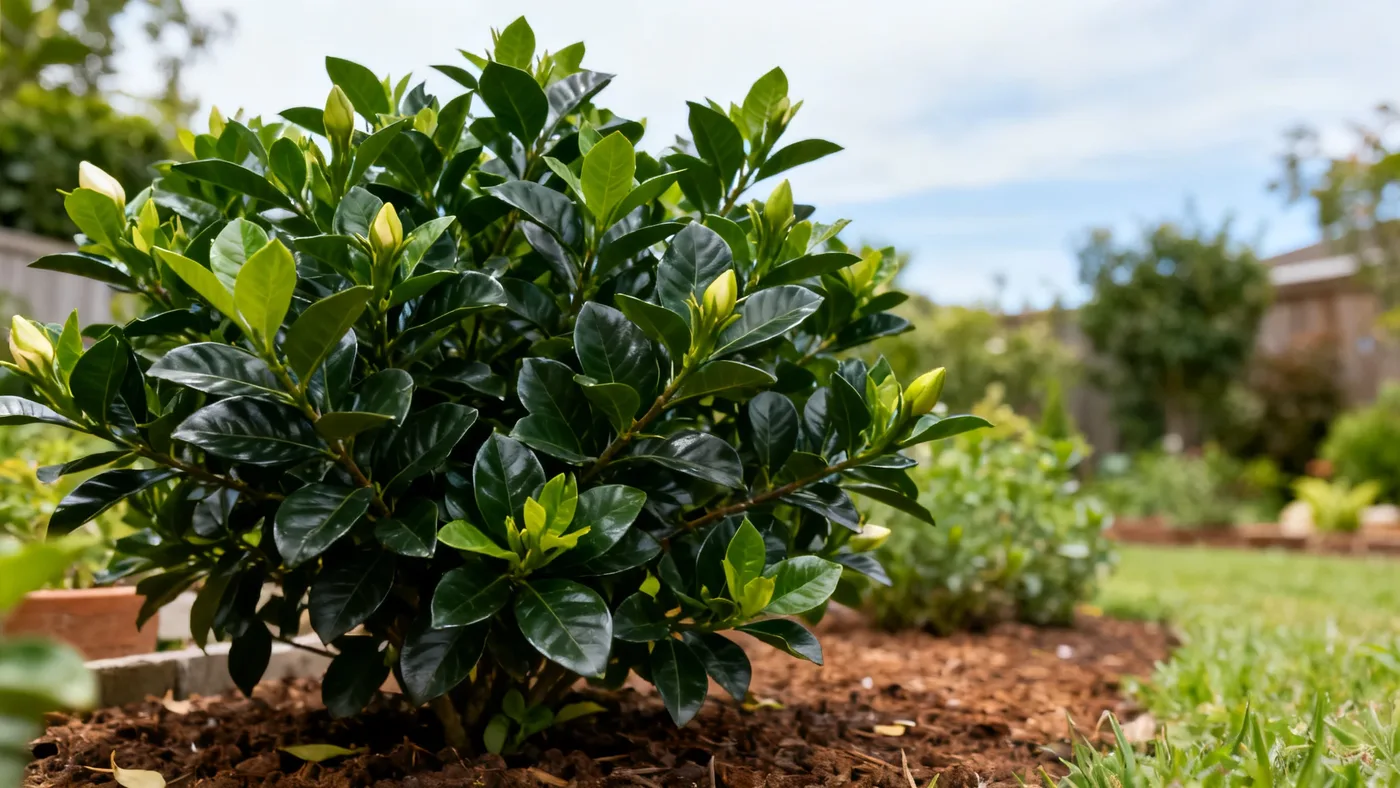
August Beauty Gardenia vs Jasmine: What's the Difference?
If you've walked into a nursery asking for a fragrant flowering shrub, there's a good chance you've heard both "gardenia" and "jasmine" recommended in the same breath. They're often mentioned together, and for good reason: both produce powerfully sweet-smelling flowers and thrive in warm climates. But are they the same plant? Not even close. Understanding the difference between August Beauty Gardenia and jasmine can help you pick the right shrub for your garden and avoid disappointment when one doesn't meet the expectations set by the other.
A Common Confusion
Walk into any garden center in summer, and you'll likely encounter the same dilemma: a customer standing between two fragrant shrubs, unsure which one to choose. Both gardenias and jasmines fill the air with sweet fragrance. Both produce white or pale yellow flowers. Both thrive in warm zones and attract pollinators. Yet they are entirely different plants from different plant families, with distinct care needs, growth habits, and characteristics.
The confusion makes sense. Many gardeners and even some retailers use the names somewhat interchangeably, especially since some jasmine varieties carry common names that reference gardenias or vice versa. But once you understand what separates them, the choice becomes much clearer.
Are Gardenias and Jasmines the Same Plant?
No. August Beauty Gardenia (Gardenia jasminoides 'August Beauty') belongs to the Rubiaceae family and is native to China and Japan. Jasmine (Jasminum spp.) belongs to the Oleaceae family and comes from tropical and subtropical regions worldwide. They are botanically unrelated, though centuries of cultivation have made them common companions in gardens across warm climates.
The botanical name for August Beauty Gardenia, Gardenia jasminoides, is itself a source of confusion. The word "jasminoides" means "jasmine-like," a name given because of the plant's fragrance and appearance, not because it's actually a jasmine. It's simply a case of historical botanical naming that persists today.
August Beauty Gardenia vs Jasmine at a Glance
| Feature | August Beauty Gardenia | Jasmine |
|---|---|---|
| Plant Family | Rubiaceae | Oleaceae |
| Plant Type | Broadleaf evergreen shrub | Deciduous or evergreen vine/shrub |
| Mature Height | 4-6 ft | Varies by species (3-20+ ft) |
| Mature Width | 4-6 ft | Varies by species |
| Hardiness | USDA zones 7b-10 | Typically zones 6-11 (varies by species) |
| Bloom Color | Creamy white, aging to ivory/yellowish | White, pink, or yellow |
| Fragrance | Strong, classic sweet gardenia fragrance | Sweet but lighter, more delicate |
| Bloom Time | Late spring through summer | Spring through fall (varies by species) |
| Growth Rate | Moderate (6-12 in. per year) | Moderate to vigorous |
| Sun Needs | Full sun to part shade | Full sun to part shade |
| Water Needs | Moderate to consistently moist | Moderate; more drought-tolerant |
| Soil pH | Acidic (5.0-6.5) | Adaptable; prefers slightly acidic |
Appearance and Foliage
August Beauty Gardenia has thick, glossy, dark green leaves with a distinctly leathery texture. The foliage is evergreen, meaning it persists year-round in most climates within its hardiness range (zones 7b-10). The leaves are ovate (egg-shaped) and sit densely on the branches, creating a full, rounded shrub form that matures to 4-6 ft tall and 4-6 ft wide.
Jasmines, by contrast, typically have finer, more delicate foliage. Many jasmine species are vines or very flexible shrubs, and their leaves tend to be smaller and more airy than a gardenia's. Some jasmine varieties are deciduous, dropping their leaves in fall, while others hold foliage year-round depending on the species and climate. The overall form is often more trailing or scandent (climbing) rather than a compact shrub.
This difference matters for landscaping. If you want a structured, dense shrub for a foundation planting or hedge, August Beauty Gardenia's compact, evergreen form suits the job. If you want a vine to climb a trellis or a plant with an open, airy feel, jasmine is often the better choice.
The Fragrance Question: Gardenia vs Jasmine Smell
Both plants produce fragrant flowers, but the scent is decidedly different, and personal preference plays a major role in which one you'll enjoy more.
August Beauty Gardenia has a strong, classic sweet gardenia fragrance that is heavier and more intense. Many people describe it as intoxicating, almost perfume-like, and it can fill an entire yard on a warm evening. The scent is often the reason gardeners choose this plant. The flowers age from creamy white to ivory or yellowish as they mature, and the fragrance remains strong throughout the bloom season (late spring through summer, with heaviest flush in late spring and early summer, plus some repeat bloom into fall depending on climate).
Jasmine fragrance is typically lighter and more delicate than gardenia's, with a sweeter, sometimes more citrusy or fruity undertone. Some jasmine species are lightly scented or even unscented, so the fragrance experience varies considerably by species and cultivar. If you want to fill your garden with a powerful, unmistakable scent, August Beauty Gardenia wins. If you prefer a subtler fragrance, jasmine may be your choice.
Climate and Hardiness
August Beauty Gardenia grows in USDA zones 7b-10. This means it can tolerate some cold but needs winter protection or careful siting in zone 7b (the lower hardiness limit; some sources debate this borderline). In zones 8-10, it grows more reliably without special winter care. In hotter southern climates, morning sun with afternoon shade is ideal to prevent stress and bud drop.
Jasmine hardiness varies by species but generally ranges from zones 6 to 11, with some varieties far more cold-tolerant than others. This gives jasmine an edge in northern gardens where August Beauty Gardenia may not survive harsh winters. Conversely, in very warm zones, August Beauty Gardenia's sensitivity to prolonged heat and drought stress may make it harder to maintain than some jasmine species.
Watering and Soil Requirements
August Beauty Gardenia requires moderate to consistently moist soil and does not tolerate prolonged drought or waterlogged conditions. It demands well-drained, rich soil high in organic matter with acidic pH (roughly 5.0-6.5). A common problem is yellowing leaves (chlorosis) from high soil pH or iron deficiency, which signals that the plant is in the wrong soil environment.
Jasmines are generally more adaptable and drought-tolerant than gardenias once established. They prefer well-drained soil but tolerate a wider range of pH and moisture levels. This makes jasmine a better choice for gardeners in drier climates or those who prefer lower-maintenance plantings.
Bloom Timing and Frequency
August Beauty Gardenia blooms late spring through summer, with the heaviest flush of flowers in late spring and early summer. Depending on climate and heat, you may see sporadic repeat bloom into fall. The plant will reliably flower if given adequate sunlight and not overpruned. Over-pruning or excess nitrogen fertilizer can lead to failure to bloom.
Jasmine bloom times vary by species. Some flower in spring, others in summer or fall, and some produce flowers across multiple seasons. Many jasmine species bloom more continuously than gardenia under the right conditions. If extended bloom is your priority, jasmine may offer more seasons of color.
Growth Habit and Size
August Beauty Gardenia grows at a moderate pace, roughly 6-12 in. per year, and reaches a mature size of 4-6 ft tall and 4-6 ft wide. It typically blooms within 1-2 years from a container plant and reaches full mature size in about 5-7 years. The shrub is long-lived, often reaching 30-50+ years with good care.
Jasmine growth varies widely by species. Vining jasmines can grow vigorously and reach 10-20+ ft if left untrained, while shrubby jasmines may stay more compact. This flexibility makes jasmine suitable for different landscape roles, but it also requires more careful selection to match your space.
Common Pests and Problems
August Beauty Gardenia is vulnerable to aphids, whiteflies, scale insects, mealybugs, and spider mites. Sooty mold often follows insect infestations. The plant's most notorious problem is bud drop, which occurs from temperature swings, underwatering, or low humidity. High soil pH and nutrient deficiencies can also trigger yellowing leaves or poor flowering.
Jasmines are generally less fussy about pests and diseases, though they can be affected by similar insects in some regions. Jasmine's relative hardiness to environmental stress makes it a more forgiving plant for gardeners who can't provide constant attention.
Best For: Which Should You Choose?
Choose August Beauty Gardenia if you:
- Want an intensely fragrant shrub that fills your garden with scent
- Need a compact, evergreen form for a foundation planting or low hedge
- Live in zones 8-10 or can provide winter protection in zone 7b
- Are willing to maintain consistent watering and soil pH
- Prefer a structured, rounded shrub over a sprawling plant
- Are ready to follow proven care practices for the best results
Choose Jasmine if you:
- Live in cooler zones where jasmine (but not August Beauty Gardenia) survives winter
- Prefer a lighter, more delicate fragrance or a vine form
- Want a more drought-tolerant, low-maintenance plant
- Need flexible growth you can train as a shrub, vine, or ground cover
- Want extended bloom season across multiple months or seasons
- Garden in a hot, dry climate where August Beauty Gardenia might struggle
The Verdict
August Beauty Gardenia and jasmine are not interchangeable plants. August Beauty Gardenia is the choice for gardeners who want an intensely fragrant, compact evergreen shrub in a warm climate, with the willingness to provide consistent water and acidic soil. Jasmine suits those who want a more adaptable, drought-tolerant plant with flexible form and lighter fragrance.
The key difference: August Beauty Gardenia is a rewarding plant that responds well to careful attention with spectacular fragrance and abundant blooms. Jasmine is more forgiving and versatile but typically offers lighter fragrance and requires training if you want a shrub form. For in-depth care guidance on August Beauty Gardenia, read our complete care guide.
Quick Reference Checklist
| Consideration | August Beauty Gardenia | Jasmine |
|---|---|---|
| Strong fragrance | ✓ Yes | Often lighter |
| Compact shrub form | ✓ Yes | Often vining |
| Evergreen year-round | ✓ Yes (zones 8-10) | Varies by species |
| Low maintenance | No, needs consistent care | ✓ More forgiving |
| Cold hardy (zone 6-7) | No, needs zone 8+ | ✓ Many species hardy |
| Drought tolerant | No, needs consistent moisture | ✓ Generally yes |
| Extended bloom season | Late spring-early summer | ✓ Often spring-fall |
| Acidic soil required | ✓ Must have pH 5.0-6.5 | Adaptable |