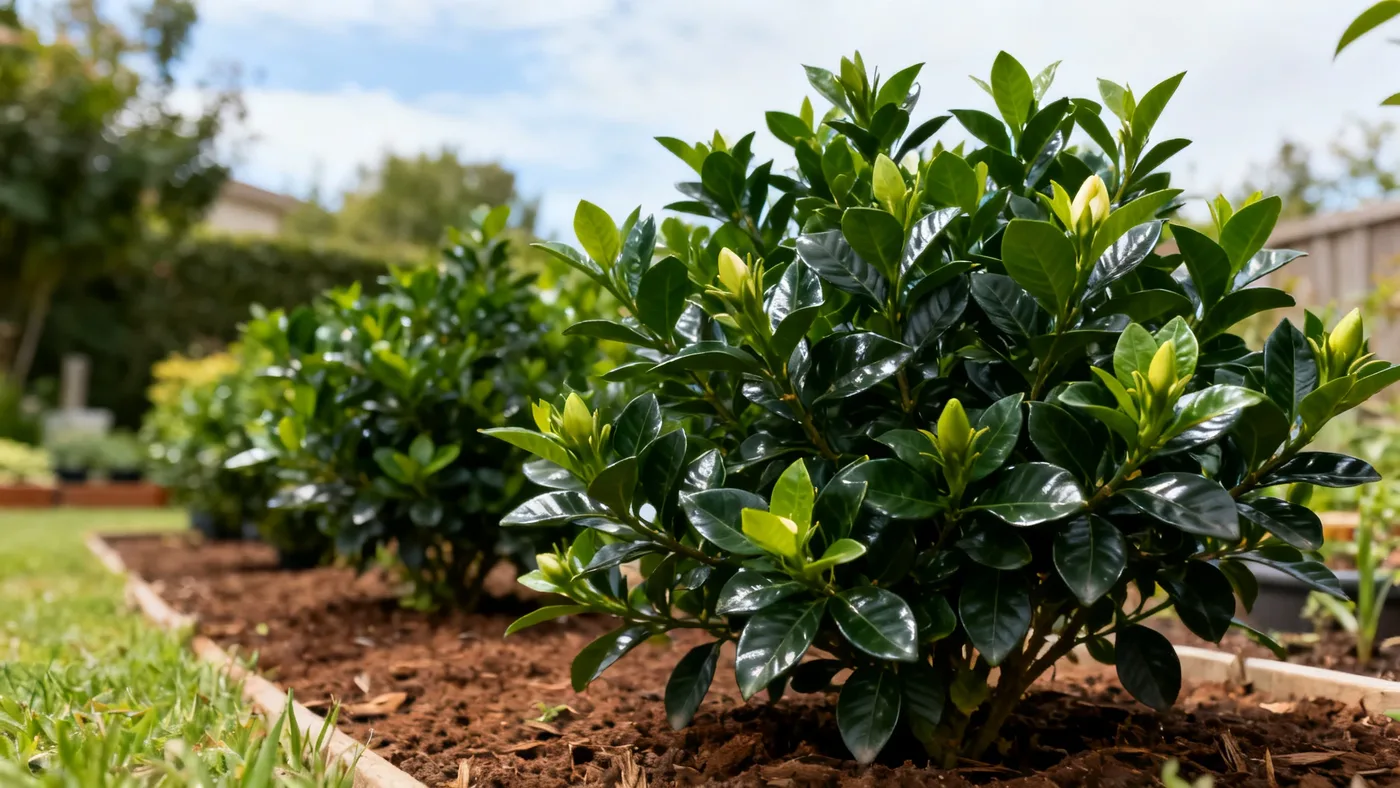
Why Does August Beauty Gardenia Smell So Good?
If you've walked past an August Beauty Gardenia in bloom, you know why it's prized by gardeners everywhere. The fragrance is unmistakable: a strong, classic sweet scent that can fill an entire garden with just one shrub in flower. But what makes this cultivar so notably aromatic, and how can you get the most fragrant blooms on your own plant? We've answered the questions we hear most often about August Beauty Gardenia fragrance, growing tips to maximize scent, and how this cultivar compares to other gardenias.
About the Fragrance
Why is August Beauty Gardenia so fragrant?
August Beauty Gardenia produces a strong, classic sweet gardenia fragrance as part of its natural bloom characteristics. The scent comes from volatile oils in the petals and is a dominant trait of the Gardenia jasminoides species, with the August Beauty cultivar being bred and selected specifically for reliable, abundant blooms that carry this signature aroma.
What does the August Beauty Gardenia scent smell like?
The fragrance is often described as sweet, floral, and creamy, with a classic gardenia character that many gardeners associate with Southern gardens and special occasions. The scent is strongest in the evening and early morning, when the flowers are fully open and cool air helps carry the fragrance further.
Is August Beauty the most fragrant Gardenia cultivar?
August Beauty Gardenia is one of the most fragrant gardenia varieties available to home gardeners, offering a strong, consistent fragrance alongside reliable blooming. While other cultivars like 'Mystery' also produce fragrant flowers, August Beauty is particularly valued because it blooms reliably from late spring through summer without requiring the intense chilling that some other fragrant varieties need.
How does August Beauty Gardenia scent compare to Jasmine?
While Jasmine (Jasminum species) and Gardenia are sometimes confused due to their shared sweet fragrance, they are different plants from different genera. August Beauty Gardenia tends to have a slightly heavier, creamier fragrance, whereas Jasmine often carries a lighter, more delicate scent. Both are valued for their evening fragrance and work well together in a fragrant garden design.
Bloom Timing and Fragrance Intensity
When is the August Beauty Gardenia fragrance strongest?
The fragrance is most intense during the peak blooming period, which occurs in late spring and early summer, roughly May through June in most climates. The scent is also strongest in the cooler hours of morning and evening, when air temperatures are lower and the flowers release more volatile oils into the air.
How long does August Beauty Gardenia bloom and smell?
August Beauty Gardenia produces a heavy flush of blooms in late spring through early summer, with sporadic repeat blooms into fall depending on your climate and summer heat levels. Individual flowers remain fragrant for about one week before fading in color and scent, but the overall blooming season can stretch 3 to 4 months, providing extended fragrance in the garden.
Why doesn't my August Beauty Gardenia produce many blooms or much fragrance?
Limited blooms usually point to one of three issues: over-pruning (which removes next year's flower buds if done in late summer or fall), insufficient light (full sun or morning sun with afternoon shade is ideal), or stress from underwatering or poor soil pH. Gardenias need acidic soil around 5.0 to 6.5 pH; if your soil is too alkaline, the plant cannot absorb iron properly and will struggle to produce flowers.
Can I extend the blooming season to enjoy fragrance longer?
The bloom season is largely governed by temperature and day length, so you cannot artificially extend it significantly. However, planting in a spot with afternoon shade in hot climates and keeping the plant consistently watered can help the August Beauty conserve energy and produce secondary blooms into fall rather than dropping buds early from heat or drought stress.
Growing for Maximum Fragrance
What's the best way to grow August Beauty Gardenia for the strongest fragrance?
Strong fragrance requires healthy, vigorous blooms, which means starting with the right growing conditions. Plant August Beauty Gardenia in rich, well-drained, high-organic-matter soil with acidic pH (5.0 to 6.5), full sun to part shade (morning sun with afternoon shade in hot climates), and keep the soil consistently moist but never waterlogged. Feed with an acid-loving plant fertilizer in early spring and again after the first bloom flush to support flower production.
Does watering affect the fragrance of August Beauty Gardenia?
Yes, adequate water is essential for fragrant blooms. Gardenias do not tolerate prolonged drought or waterlogged soil; inconsistent watering causes stress, bud drop, and weaker flowers with less fragrance. Consistent, moderate moisture keeps the plant vigorous and able to produce abundant, strongly scented blooms.
Should I grow August Beauty Gardenia in full sun or shade for better fragrance?
Full sun to part shade is ideal for both blooming and fragrance in most climates. In hot Southern regions, morning sun with afternoon shade helps prevent heat stress and bud drop while still providing enough light for abundant flowers. Insufficient light reduces overall bloom production and fragrance, so ensure your plant gets at least 4 to 6 hours of direct sun daily.
What fertilizer should I use to maximize fragrance?
Feed August Beauty Gardenia with an acid-loving plant fertilizer (such as an azalea or camellia formula) in early spring and again after the first bloom flush. If you notice yellowing leaves (a sign of chlorosis from high soil pH or iron deficiency), apply iron chelate or chelated micronutrients to help the plant absorb nutrients and produce healthier, more fragrant blooms.
When should I prune August Beauty Gardenia to avoid removing next year's fragrant blooms?
Prune lightly right after flowering ends to shape the plant and remove spent blooms and dead wood. Never prune in late summer or fall, as this removes the flower buds that will bloom next year and produce that signature fragrance. This timing lets the plant set buds in the quieter fall and winter months, ready to burst with blooms come spring.
Fragrance and Container Growing
Can I grow August Beauty Gardenia in a container to enjoy the fragrance on a porch?
Yes, August Beauty Gardenia is suitable for container planting, and a potted specimen near a patio or window is an excellent way to enjoy the fragrance up close. Use a well-drained, acidic potting mix, water regularly, and feed during the growing season just as you would for an in-ground plant. Be aware that in marginal zones (7b), container plants need winter protection or should be brought indoors.
What size container should I use for August Beauty Gardenia?
Nursery-grown August Beauty Gardenias are typically sold in quart, #1 (gallon), or #3 (3-gallon) containers. Start with a pot at least one size larger than the root ball, and as the plant grows (at a moderate rate of 6 to 12 inches per year), you can move it to a larger container, with a mature shrub needing a 15 to 20-gallon pot or larger for long-term growth.
Fragrance Challenges and Troubleshooting
Why do my August Beauty Gardenia buds drop before blooming, and how does that affect fragrance?
Bud drop is usually triggered by stress: sudden temperature swings, underwatering, low humidity, or over-pruning. When buds drop, you lose that season's fragrant flowers entirely. Prevent this by maintaining consistent moisture, avoiding late-summer pruning, and protecting young plants from extreme cold snaps if you're in zone 7b.
Can pests affect the fragrance of August Beauty Gardenia blooms?
Pests like aphids, whiteflies, scale insects, mealybugs, and spider mites weaken the plant and reduce overall vigor, which can lead to fewer and less fragrant blooms. Heavy pest pressure also attracts sooty mold, which coats the foliage and flowers and can dull their appearance. Treat pest problems promptly to maintain plant health and fragrant flowering.
How do diseases affect August Beauty Gardenia's fragrance and bloom production?
Root rot in poorly drained soil and leaf spot fungi stress the plant and reduce its ability to produce abundant blooms. Sooty mold from insect honeydew can coat flowers and reduce their visual appeal, though the fragrance itself is not affected. Maintain good drainage, avoid overhead watering, and manage pests to prevent disease and keep the plant blooming reliably.
Where to Grow and Use Fragrance
Where should I plant August Beauty Gardenia to best enjoy the fragrance?
Plant it near patios, windows, or seating areas where you can appreciate the scent during peak blooming season (late spring through early summer). Evening breezes often carry the fragrance further, so an eastern or northern exposure that catches evening air movement is ideal. A foundation planting near an entry door or a specimen shrub in a cottage garden are classic uses that let you enjoy the blooms and fragrance up close.
Can I use August Beauty Gardenia for hedging or screening while still enjoying the fragrance?
Yes, August Beauty Gardenia makes an excellent low hedge or screen, typically growing 4 to 6 feet tall and wide at maturity. Plant specimens 3 to 5 feet apart for hedging, which creates a fragrant living boundary while maintaining the individual character and blooming of each shrub. Prune immediately after flowering to maintain shape without sacrificing next year's blooms.
Can I grow August Beauty Gardenia in cooler zones and still get fragrant blooms?
August Beauty Gardenia is rated for USDA zones 7b through 10; in zone 7b it is borderline and needs winter protection to survive hard freezes. If you're in a marginal zone, grow the plant in a container that you can move to a sheltered location in winter, or choose a protected microclimate (south-facing wall, against a building) where it can benefit from extra warmth. For complete zone guidance, see our August Beauty Gardenia zone guide.
Companion Plants and Design
What plants pair well with August Beauty Gardenia for a fragrant garden?
August Beauty Gardenia grows well alongside other acid-loving plants like azalea, camellia, boxwood, hosta, and ferns. These companions create a lush, layered look without competing for scent. If you want a purely fragrant design, pair August Beauty with other fragrant shrubs like Carolina jasmine or fragrant azalea varieties, but plant them far enough apart that their blooming periods overlap but their scents don't muddle each other.
Are there other Gardenia cultivars worth growing for fragrance?
Several Gardenia jasminoides cultivars exist, including 'Radicans' (a dwarf, spreading form), 'Mystery' (larger flowers with strong fragrance but more demanding cold requirements), and 'Kleim's Hardy' (a hardier selection). August Beauty stands out because it offers strong fragrance, reliable blooming, and moderate cold-hardiness, making it the best choice for most home gardeners who want fragrant blooms without fussy chilling requirements.
More Information and Care
Where can I find detailed August Beauty Gardenia growing instructions?
For complete guidance on planting, watering, pruning, and troubleshooting, see our August Beauty Gardenia care guide. It covers everything from soil preparation to seasonal maintenance and common problems, with specific measurements and timing for all regions.
Quick Reference: August Beauty Gardenia Fragrance and Bloom Facts
| Feature | Specification |
|---|---|
| Fragrance Type | Strong, classic sweet gardenia scent |
| Bloom Season | Late spring through summer, heaviest in May |
| Fragrance Peak Time | Morning and evening, cooler hours |
| Individual Flower Scent Duration | Approximately 1 week per bloom |
| Mature Height/Width | 4 |
| Ideal Sun for Blooms | Full sun to part shade; morning sun + afternoon shade in hot climates |
| Soil pH for Best Blooms | Acidic, 5.0 |
| Water Needs | Moderate to consistently moist; no drought tolerance |
| Growth Rate | Moderate, roughly 6 |
| Hardiness Zones | 7b |
| Spacing for Hedge | 3 |
| Fertilizer Schedule | Early spring + after first bloom flush with acid-loving formula |
| Pruning Timing | Right after flowering; never in late summer or fall |
| Container-Suitable | Yes, with acidic potting mix and regular feeding |
| Nursery Container Sizes | Quart, #1 (gallon), #3 (3-gallon) |