Why Is My August Beauty Gardenia Dying and How to Save It
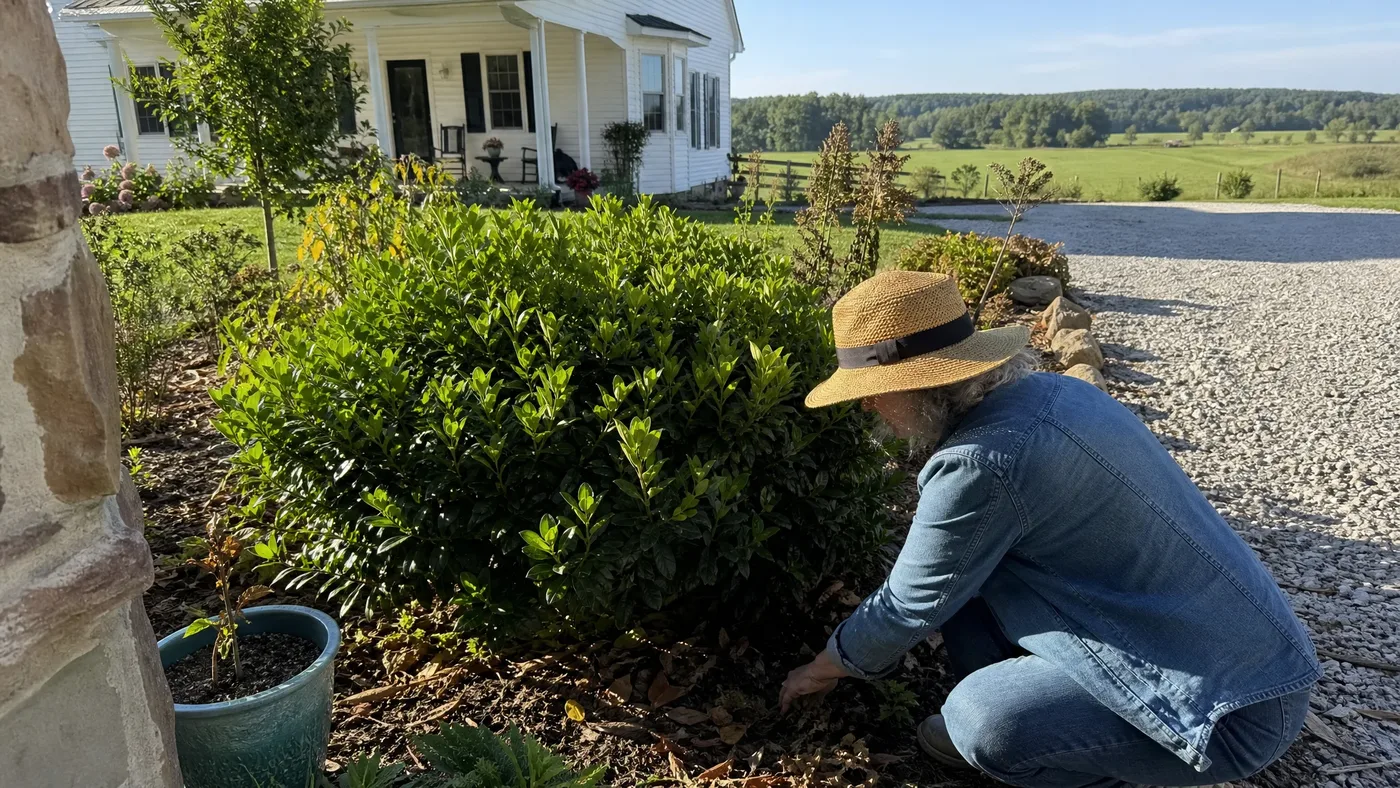
Most dying August Beauty gardenias have wet roots, a planting that sits too deep, or soil that is too alkaline. A hard winter finishes off the weak ones. Each cause leaves a different pattern on the plant, so the right rescue depends on reading it correctly.
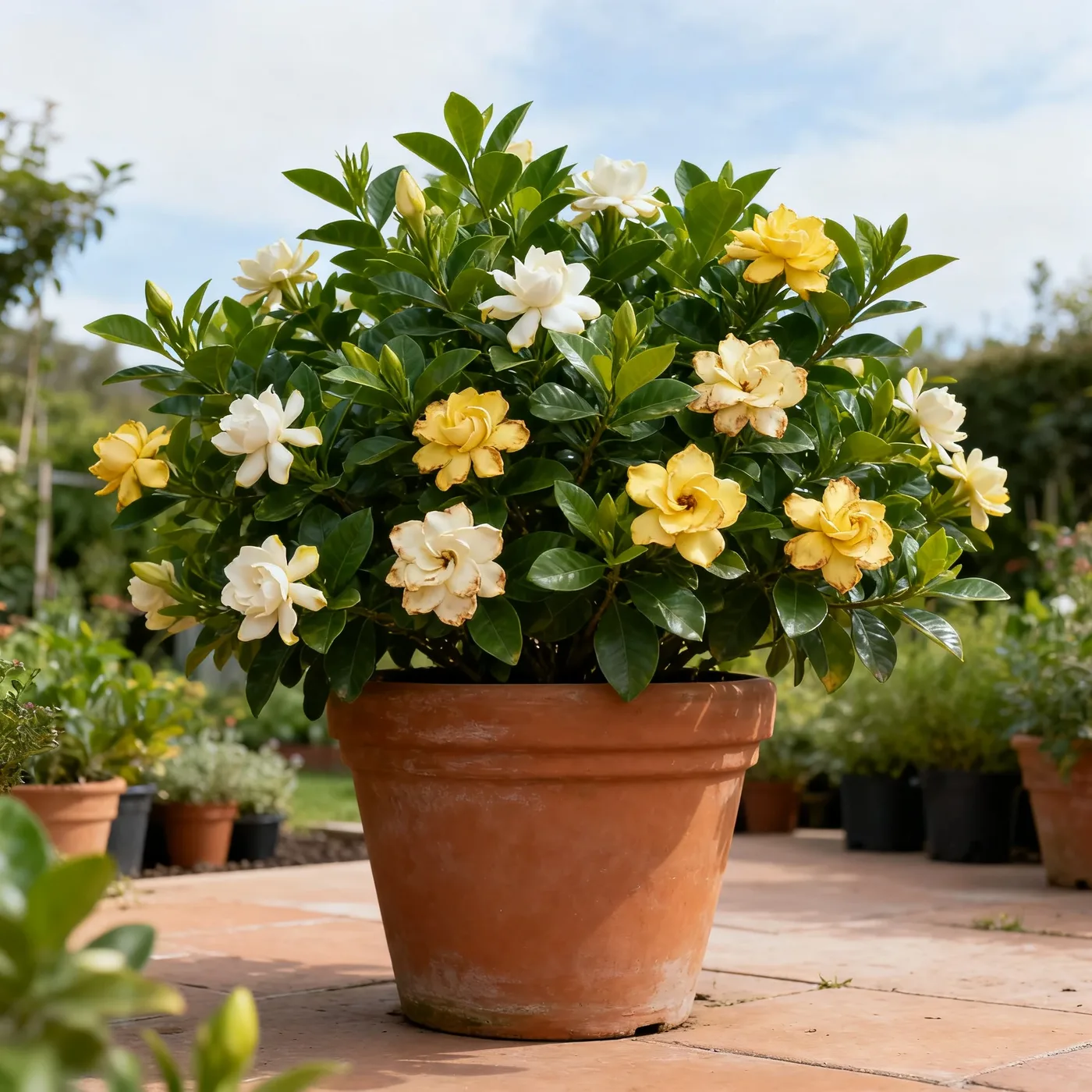
This guide covers everything you need to know about saving a failing August Beauty, from the first scratch test on a bare stem to cold protection before the first hard freeze. We move through the year in order, because when a plant declines tells you almost as much as how it looks.
Done right, a rescued plant returns to its normal size of 4–6 feet high and 3–4 feet wide, with the 3-inch double flowers that make it worth saving.
Early Spring: Triage Your August Beauty Gardenia Before You Cut
Winter damage and root trouble look alike on a bare March shrub. Sort out which one you have first, because the fixes differ and a wrong cut can't be undone.
Run the Scratch Test
This two-minute check tells you whether the stems are alive. August Beauty is an evergreen shrub, so heavy leaf loss means trouble, but it does not always mean death.
- Scratch a thumbnail-sized patch of bark on several stems.
- Look for green, moist tissue underneath. That stem is alive at that point.
- If the tissue is brown and dry, scratch lower down until you find green.
- Note where green begins on each stem. Dead wood above that point comes off later.
One of the most common questions we get in spring is whether a bare plant is finished. If green tissue shows low on the stems or at the base, it usually is not.
Match the Pattern to the Cause
Where the damage sits points to the culprit. Check these patterns before you touch the soil.
- Dieback from the tips down with a healthy base: this is the usual cold-damage pattern, covered in the winter section below.
- Sunken or cracked bark near the soil line, with one stem wilting at a time: suspect stem canker. It is a fungal disease that enters through wounds and causes dieback, most often near the soil line.
- Whole-plant decline with no clear pattern in the stems: suspect the roots, which we cover next.
Hold the Pruners and the Fertilizer
Wait until new shoots show where the live wood ends. Then cut dead wood back to the first healthy growth, following our guide on how and when to prune.
A common piece of advice is to feed a sick gardenia to perk it up. We don't follow it. A plant with damaged roots cannot use the extra fertilizer, so it only adds stress. Fix the cause first and feed once the plant pushes new leaves.
Late Spring: Check the Roots and Crown of Your August Beauty
By late May the main flush of double flowers should be opening. A plant that is wilting, sparse or flowerless by then deserves a look at its roots and crown.
Know the Signs of Root Rot
Clemson names Phytophthora as the pathogen identified most often on gardenia in South Carolina, with other soilborne fungi also involved. Root rot is more likely when soils stay excessively wet, and symptoms can appear gradually or suddenly, depending on how much root is lost.
Wilting in wet soil is the classic clue. A thirsty plant wilts in dry soil. A plant with failed roots wilts while the soil is soggy, and more water makes it worse.
Dig and Look
Do this on a dry day so you can see what you are handling.
- Pull back the soil on one side of the base with your hands or a small trowel.
- Check the roots. Firm, pale roots are healthy. Soft, dark, mushy roots that slip apart are rotted.
- Trim rotted roots with clean shears and leave the firm ones.
- If most of the root system is mush, replace the plant rather than nursing it for a year.
For a potted plant, slide it out and check the same things, then confirm the drain holes are open.
Fix Depth and Drainage
Avoid planting gardenias too deeply. The top of the root ball should sit level with or slightly above the surrounding soil.
In our rows, the plants that fail early are almost always the ones set too deep. If yours is buried, lift it and replant it high. In heavy clay, build a low mound so water drains away from the crown.
Cut Out Stem Canker
Canker enters through wounds, so protect the base. Cut cankered stems back to healthy wood and clean your pruners between cuts. Keep string trimmers and mowers away from the stems, because even a small scrape gives the fungus a way in.
Summer: Read the Leaves, Buds and Water on Your August Beauty
Summer shows stress fast. Heat, watering mistakes and insects each leave a different mark, and a quick look at the leaves narrows the cause before you reach for a treatment.
Match the Symptom to the Fix
This table pairs what you see with the most likely cause and a first move. Work down it before you try anything else.
| What you see | Likely cause | First move |
|---|---|---|
| New leaves yellow with green veins | High soil pH locking up iron | Test the soil and follow the fall section |
| Wilting while the soil is wet | Root rot | Stop watering and dig to check the roots |
| Wilting while the soil is dry | Too little water | Water slowly and deeply, then mulch |
| Buds browning and falling | Bud drop, a physiological disorder | Keep watering steady and remove fallen buds |
| Tiny white insects lifting from leaf undersides | Whitefly | Spray the undersides with water, then repeat |
Water by Feel, Not by Calendar
NC State calls the species moderately drought-tolerant, so a short dry spell rarely kills an established plant. Soggy soil kills far more of them.
What we tell customers is to push a finger into the soil near the roots and water only when it feels dry. Soak the root zone slowly, then leave it alone. Our watering guide goes deeper on rhythm and containers.
Adjust the Light and Check for Insects
Gardenias do best in light to partial shade, preferably morning sun and afternoon shade. If bleached or scorched leaves sit on the side facing hot afternoon sun, shade that side or move the plant.
Then look under the leaves. Whitefly is the most commonly occurring problem on gardenias. A firm spray of water on the undersides knocks them back. If buds are the main complaint, read why an August Beauty won't bloom or turns yellow, and see our 10 common problems and fixes for the rest.
Fall: Correct Soil pH and Rebuild a Weak August Beauty
Fall is the season to fix what summer exposed. Roots keep growing as the air cools, and a plant that enters winter in the right soil carries fewer problems into spring.
Test Before You Amend
August Beauty wants acid soil. NC State lists acid soil, below pH 6.0, for gardenia, and University of Florida extension gives a range of 5.0 to 6.5.
Here is the trap. Soil often holds plenty of iron, but it becomes unavailable once the pH rises above 7.0. New leaves then turn yellow with green veins. Extra fertilizer does not cure that. Buy a test kit or send a sample to your local extension service, and ask them how much to adjust.
Lower pH Slowly
Change the soil in small steps, because a big swing stresses roots that are already weak.
- Apply a sulfur-based soil acidifier at the label rate, or less, along the drip line.
- Water it in well.
- Retest after the next month or two and repeat only if the reading is still high.
- Top the bed with pine bark or pine needle mulch, kept off the stems.
Our guide to soil, pH and drainage covers building a bed from scratch.
Feed a Recovering Plant Lightly
Feed only if the plant has pushed new leaves since spring. Use a fertilizer made for acid-loving plants at no more than the label rate. Stop feeding well before cold weather, since late feeding encourages soft growth that frost then burns.
Winter: Protect Your August Beauty From Cold Dieback
Cold is the other big killer, and it hits plants that were already weak from wet or alkaline soil. A little preparation before the first freeze saves a lot of rescue work in spring.
Know What Your Zone Means
NC State lists the species for zones 7b through 11b. Most older gardenia cultivars are cold hardy to zone 8. If you garden near the cold edge of that range, expect some dieback in hard winters and plant against a warm wall if you can.
Our winter care guide covers colder sites in detail.
Water and Mulch Before the Freeze
The University of Arkansas extension notes that a plant going into a cold spell dry is more sensitive to cold damage. If the soil is dry before a forecast freeze, water deeply a day or two ahead. Do not soak soil that is already wet. Add a fresh layer of mulch over the root zone, keeping it away from the stems.
Cover and Shelter
On the coldest nights, drape the shrub with breathable fabric that reaches the ground and take it off in the morning. Move potted plants to a sheltered spot, since roots in a pot are far more exposed than roots in the ground.
Leave any winter dieback unpruned until spring. Then run the scratch test again and start the cycle over with real information about what survived.
Saving Your August Beauty: What to Check and What to Leave Alone
Start with the scratch test, then check the roots and crown, then match leaf symptoms to a cause. Fix planting depth, drainage and soil pH before you feed, and water by feel. Before winter, water if the soil is dry, mulch and shelter the plant. Resist the urge to cut or fertilize in a panic.
August Beauty Gardenia
Nursery-grown August Beauty Gardenia in sizes from 1 Gallon, shipped to your door.
From $33.97
Shop Now →Before a plant leaves us, our growers check the roots, the crown and the stems on every August Beauty, because those are the places a gardenia's trouble starts. We grow and sell top-quality shrubs from our own farms, and this is the same examination we hope you will give yours.