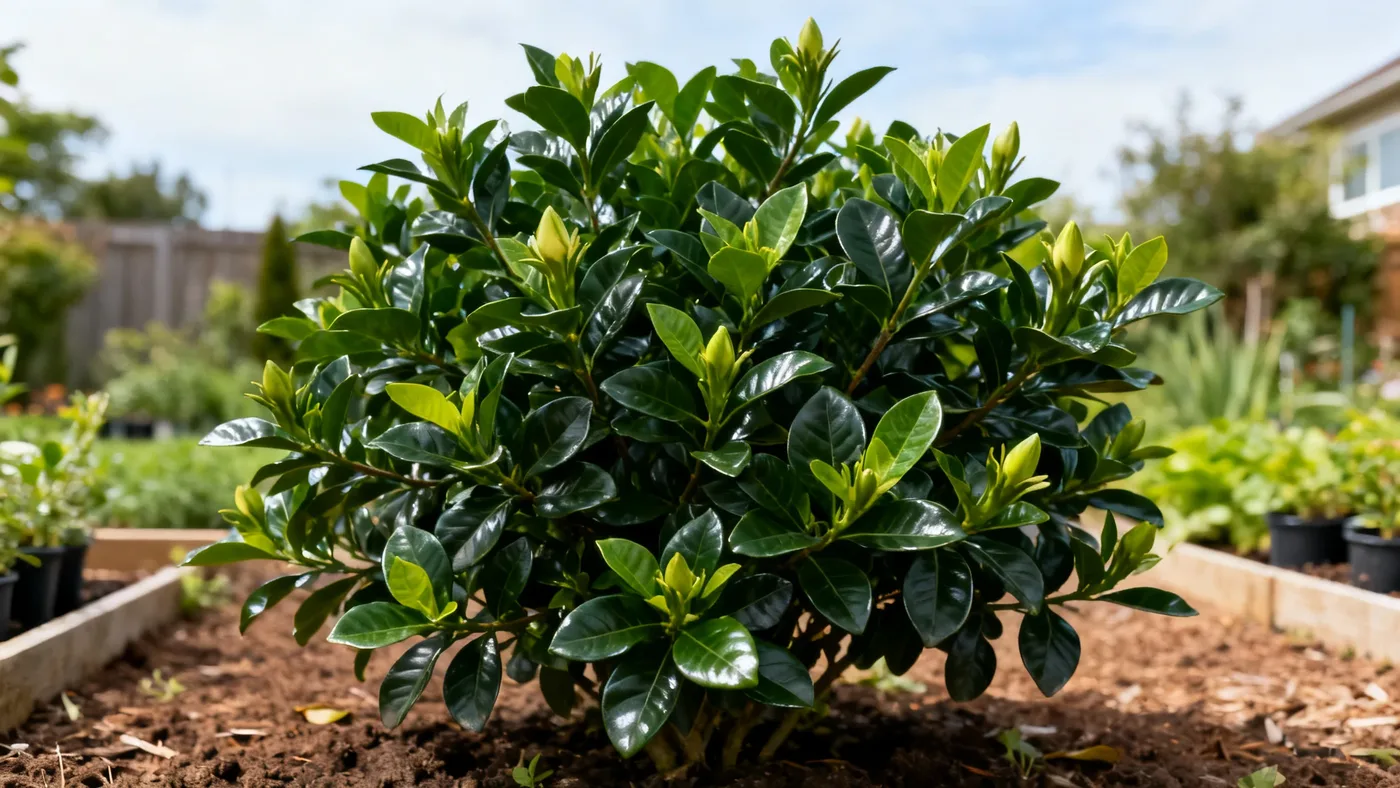
Is August Beauty Gardenia Toxic to Dogs, Cats or Kids?
August Beauty Gardenia is a popular ornamental shrub prized for its glossy foliage and fragrant white flowers. If you have pets or small children, you may wonder whether it's safe to grow this plant in your home or yard. The good news: according to the ASPCA, August Beauty Gardenia (Gardenia jasminoides 'August Beauty') is not known to be toxic to dogs, cats, or people. This guide answers the most common questions about gardenia toxicity so you can feel confident including this beautiful plant in your landscape.
General Toxicity and Safety
Is August Beauty Gardenia toxic to pets or people?
No. August Beauty Gardenia is not listed by the ASPCA as toxic to cats, dogs, or humans. The plant does not contain toxins that cause poisoning in household pets or children. You can safely grow this shrub without worrying about accidental ingestion causing serious harm.
What does the ASPCA say about gardenia toxicity?
The ASPCA does not classify Gardenia jasminoides (the species that includes August Beauty) as toxic to cats or dogs. This means the plant hasn't shown a pattern of causing poisoning in these species. The ASPCA maintains a comprehensive list of toxic plants, and gardenia does not appear on it.
Are August Beauty Gardenia berries poisonous?
August Beauty Gardenia rarely produces berries in home landscapes, and when the plant does fruit, the berries are not typically eaten by pets or people. While no major toxicity has been reported from the berries, it's still best to discourage your pet or child from eating any plant material.
Can I grow August Beauty Gardenia safely in a pet-friendly home?
Yes, absolutely. Many pet owners successfully grow August Beauty Gardenia without problems. Since the plant is not toxic, accidental nibbling by a curious cat or dog is unlikely to cause harm. That said, it's still good practice to monitor young pets around any ornamental plants.
Is August Beauty Gardenia safe for homes with young children?
August Beauty Gardenia is safe for homes with young children. The plant is not poisonous if a child touches the leaves or nibbles on them. The plant's leathery, glossy foliage is not particularly appealing to most children anyway, which further reduces the risk of accidental ingestion.
Are there any parts of August Beauty Gardenia that are toxic?
No. The leaves, stems, flowers, and roots of August Beauty Gardenia are all non-toxic. While the plant is safe, this doesn't mean it should be eaten; it's still an ornamental plant meant for viewing and enjoying its fragrance, not for consumption.
Dogs and Pets
Is August Beauty Gardenia toxic to dogs?
No. August Beauty Gardenia is not toxic to dogs. If your dog chews on the leaves or flowers, it is unlikely to suffer poisoning. However, if a dog consumes a large quantity of plant material, it might experience minor digestive upset from the roughage itself, though this would not be a toxic reaction.
What happens if a dog eats August Beauty Gardenia leaves?
If a dog eats August Beauty Gardenia leaves, no toxic poisoning should result. The worst likely outcome is mild digestive discomfort since dogs aren't designed to eat plants in quantity. If your dog has eaten leaves and shows signs of distress, contact your veterinarian to rule out other causes of illness.
Can I plant August Beauty Gardenia in a dog-friendly landscape?
Yes. August Beauty Gardenia is a safe choice for yards where dogs play and roam. The plant reaches 4 to 6 feet in mature height and width, and its sturdy branches can withstand some contact from active pets. Position the shrub where it won't be trampled or used as a rubbing post.
Is August Beauty Gardenia safe for puppies?
Yes. Since August Beauty Gardenia is not toxic to dogs at any age, puppies are safe around this plant. Puppies explore the world by chewing, so it's still wise to redirect them away from the shrub to prevent damage to the plant itself and to discourage them from eating non-food items.
Do dogs find August Beauty Gardenia appealing to eat?
No. Most dogs don't find August Beauty Gardenia particularly appealing. The plant's leathery foliage and tough leaves are not attractive to dogs the way grass or certain vegetables might be. Your dog is much more likely to ignore the plant entirely than to chew on it.
Cats and Felines
Is August Beauty Gardenia toxic to cats?
No. August Beauty Gardenia is not listed by the ASPCA as toxic to cats. This means the plant does not contain compounds that are poisonous to felines. Cats living in homes with August Beauty Gardenia have no increased toxicity risk from the plant.
What should I do if my cat eats August Beauty Gardenia?
If your cat eats August Beauty Gardenia leaves or flowers, no toxic reaction is expected. If your cat vomits or acts ill after eating the plant, it's possible the plant irritated its stomach mechanically, or the illness has another cause entirely. Contact your vet if symptoms persist.
Can I grow August Beauty Gardenia indoors or near cats?
Yes. You can safely grow August Beauty Gardenia indoors or in outdoor spaces where cats have access. The plant's non-toxic status makes it one of the safer ornamental shrubs for cat owners. However, cats may damage the plant by brushing against it or knocking over a container, so position it in a stable location.
Is August Beauty Gardenia safer than other common houseplants for cats?
August Beauty Gardenia is much safer than many popular houseplants. While gardenias are not toxic to cats, many common ornamental plants like lilies, philodendrons, and sago palms are highly toxic to felines. If you have cats and want to keep plants, August Beauty Gardenia is definitely among the safer choices.
Do cats or kittens show interest in August Beauty Gardenia?
Most cats are not particularly attracted to August Beauty Gardenia. The plant's strong fragrance and leathery leaves do not appeal to feline tastes. Kittens may investigate the plant out of curiosity, but they are unlikely to nibble on it repeatedly.
Children and Family Safety
Is it safe to grow August Beauty Gardenia in a yard with toddlers?
Yes. August Beauty Gardenia is safe for yards with young children. The plant is non-toxic if a toddler touches, pulls on, or even chews the leaves or flowers. Still, it's good practice to supervise outdoor play and teach children not to eat plants.
What if a child swallows August Beauty Gardenia flowers?
There is no toxicity risk if a child swallows August Beauty Gardenia flowers. The flowers are not poisonous to people. If a child shows any symptoms after ingesting plant material, the cause is likely something other than gardenia toxicity; contact Poison Control or your pediatrician if you're concerned.
Can I let kids pick flowers from August Beauty Gardenia?
Yes. Kids can safely handle and pick the fragrant creamy-white flowers of August Beauty Gardenia without risk of poisoning. You can even bring the flowers indoors to enjoy their strong, classic sweet gardenia fragrance. Just wash hands after handling plant material as a general hygiene practice.
Planting and Care Considerations
Does August Beauty Gardenia need special handling because of toxicity concerns?
No. Since August Beauty Gardenia is not toxic, you don't need special handling procedures or protective gear when planting or caring for it. Follow the standard planting guide for August Beauty Gardenia for the best results.
Are there any health risks to gardeners from handling August Beauty Gardenia?
No. Handling August Beauty Gardenia during planting, pruning, or routine maintenance poses no toxicity risk to gardeners. Wash your hands after gardening simply as a good hygiene habit, not because of any poisoning danger from this plant.
Should I worry about deer or wildlife eating August Beauty Gardenia?
Deer do not prefer August Beauty Gardenia, so the plant has moderate deer resistance. Wild animals and deer are unlikely to cause problems by eating the plant. However, if you're concerned about wildlife browsing, protective fencing or netting may help protect the shrub from physical damage.
Can I compost August Beauty Gardenia prunings?
Yes. You can safely compost leaves, branches, and other plant material from August Beauty Gardenia. Since the plant is not toxic, composted gardenia material is safe to use on vegetable gardens and around edible plants. Just ensure your compost pile reaches proper temperatures to break down the tough, leathery leaves.
Quick Reference: August Beauty Gardenia Safety at a Glance
| Category | Safe or Toxic? | Notes |
|---|---|---|
| Dogs | Safe (Non-toxic) | ASPCA does not list as toxic to dogs |
| Cats | Safe (Non-toxic) | ASPCA does not list as toxic to cats |
| Children | Safe (Non-toxic) | Not poisonous if ingested |
| Puppies | Safe (Non-toxic) | Non-toxic at all ages |
| Kittens | Safe (Non-toxic) | Most kittens show no interest in the plant |
| Flowers | Safe (Non-toxic) | Can be handled and picked safely |
| Leaves | Safe (Non-toxic) | Leathery leaves do not contain toxins |
| Berries (rare) | Safe (Non-toxic) | No major toxicity reported |
| Gardener Handling | Safe | No special precautions needed |
| Composting | Safe | Can be composted with other plant waste |
Learning More About August Beauty Gardenia Care
Now that you know August Beauty Gardenia is safe for your family and pets, you may want to learn how to grow it successfully. The plant thrives in full sun to part shade and needs rich, well-drained, acidic soil with a pH around 5.0 to 6.5. Water moderately and keep the soil consistently moist without waterlogging. Visit the complete care guide for August Beauty Gardenia to master growing this beautiful, fragrant shrub. For detailed planting instructions, see our August Beauty Gardenia planting guide.